

Roofing Systems
Your first line of defense.
Metal, tile, and shingle engineered for Florida storms
Florida's combination of hurricanes, intense sun, and humidity demands roofing that performs. Here's what matters.
Explore each system
Five roofing systems we install
Each one is engineered, permitted, and installed by a Florida Certified Roofing Contractor. Tap through for full specs, colors, and warranties.

Metal Roofing
Standing seam and 5V. HVHZ-rated to 180 mph, 50+ year lifespan.

Tile
Eagle concrete and clay. Class A fire, the Southwest Florida signature.

Shingles
TAMKO Heritage and Titan XT. Proven value, lowest installed cost.

Stone-Coated Steel
Tilcor Antica. Tile look at about 1/7 the weight, 50-year warranty.
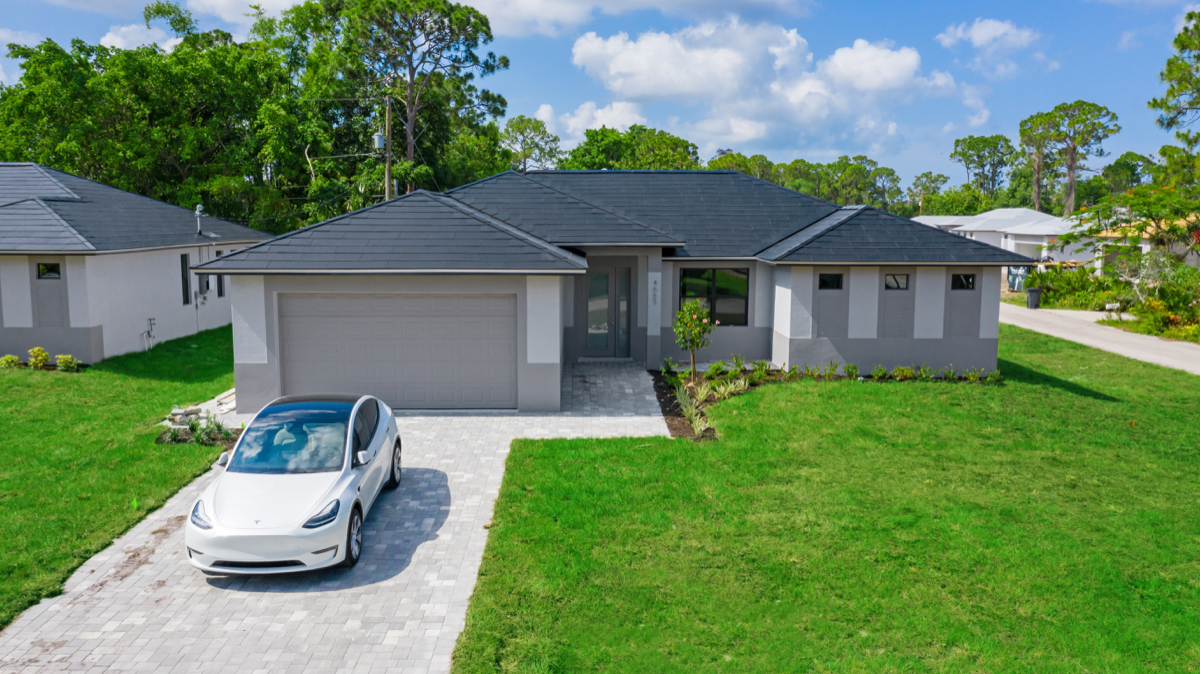
Tesla Solar Roof
A roof that generates power. Hurricane-rated, 25-year warranty.
Roofing Options
Each roofing material offers different advantages for Florida's challenging climate.
Metal Roofing
Explore Metal RoofingStanding Seam Metal
(Concealed Fastener Metal)Up to 180 mph uplift · 50+ year lifespan · top-tier insurance credit
Premium metal roofing with raised seams and hidden fasteners. Panels interlock for superior wind and water resistance. The highest wind-rated metal system we install, with uplift ratings up to 180 mph. Substrate matters: aluminum (PAC-CLAD Kynar 500) is the right call within 1 mile of saltwater because it will not rust; Galvalume steel (Union Corrugating Signature 200/300) is the inland default.
Best For
- Maximum wind resistance (up to 180 mph)
- Longevity (50+ year lifespan)
- Modern architectural styles
- Energy efficiency (reflects heat)
- Coastal homes within 1 mile of saltwater (aluminum substrate)
Considerations
- •Higher upfront cost
- •Requires skilled installation
- •Expansion/contraction noise possible
- •Premium insurance discounts available
- •Steel substrate not recommended within 1 mile of saltwater, switch to aluminum
Stone-Coated Steel
(Decra, Tilcor, Gerard)About 133 lbs per square · 50-year warranty · 118 mph wind-tested · Class A fire
Steel panels coated with stone granules that mimic the look of tile or shingles. Combines metal durability with traditional aesthetics. Popular for Florida HOA communities.
Best For
- Tile look without the weight
- Hurricane resistance
- HOA communities requiring tile appearance
- Re-roofing over existing shingles
Considerations
- •Mid-range pricing
- •Stone granule maintenance over time
- •Fewer color options than standing seam
- •Warranty varies by manufacturer

5V Crimp Metal
(Exposed Fastener Metal)170 mph design pressure · HVHZ approved · the classic Florida panel
Traditional Florida metal roofing with visible fasteners and overlapping panels. Cost-effective and proven in hurricanes. Common on coastal and agricultural buildings.
Best For
- Budget-conscious projects
- Agricultural and utility buildings
- Coastal traditional aesthetics
- Quick installation
Considerations
- •Visible fasteners require maintenance
- •Fastener washers degrade over time
- •Less refined appearance
- •May not meet all HOA requirements
Tile Roofing
Explore Tile RoofingConcrete Tile
(Boral, Eagle, Entegra)50+ year lifespan · Class A fire · full OIR 1802 roof-covering credit
Heavy concrete tiles that provide excellent durability and a classic Florida look. Available in barrel (S-tile), flat, and shake profiles. Very common in Southwest Florida.
Best For
- Traditional Florida aesthetics
- Excellent durability (50+ years)
- Fire resistance
- Sound insulation
Considerations
- •Heavy, requires engineered structure
- •Higher installation cost
- •Individual tiles can crack
- •Underlayment critical for waterproofing

Clay Tile
(Terra Cotta, Spanish Tile)75 to 100 year lifespan · authentic terracotta · maximum longevity
Traditional fired clay tiles with authentic Mediterranean appearance. Premium material with exceptional longevity. The original Florida roofing material.
Best For
- Authentic Spanish/Mediterranean style
- Maximum longevity (75-100 years)
- Historic or luxury homes
- Natural material preference
Considerations
- •Highest cost option
- •Very heavy, structural requirements
- •Fragile during installation
- •Color variations natural
Shingle Roofing
Explore Shingle RoofingArchitectural Shingles
(Dimensional, Laminated)130 mph HVHZ warranty · Class 3 impact option · lowest installed cost
Multi-layer asphalt shingles with dimensional appearance. More durable than traditional 3-tab shingles. The most common roofing in America.
Best For
- Lowest upfront cost
- Wide color selection
- Easy repairs and replacements
- Familiar to all contractors
Considerations
- •Shorter lifespan (15-30 years)
- •Less hurricane resistant than metal/tile
- •Heat absorption higher
- •May require replacement after major storm
Solar Roofing
Explore Solar RoofSolar Roof
(Tesla Solar Roof, Building-Integrated PV)Roof and power in one system · pairs with Powerwall · no roof penetrations
Integrated solar tiles that replace traditional roofing while generating electricity. Combines roofing and solar into one system. Pairs with Powerwall battery storage.
Best For
- New construction or full re-roof
- Energy independence goals
- Clean, integrated aesthetics
- Long-term energy savings
Considerations
- •Highest initial investment
- •Longer installation timeline
- •Requires certified installer
- •Best ROI with battery storage
Storm-Tested
Built for the day the wind actually comes
A roof earns its keep once every few years. The difference between a code-current roof and an aging one shows up the morning after a hurricane.
 Code-current roof
 Older roofs next door
Up to 180 mph
Design pressure on mechanical double-lock standing seam with proper clip spacing.
HVHZ-rated
Every material we install carries Florida Product Approval and Miami-Dade NOA documentation.
OIR Form 1802
Code-compliant roofs earn the roof-covering credit that lowers your wind-insurance premium.
A material and color for every street in Southwest Florida
From HOA-mandated tile in Naples to coastal aluminum on the islands, here is a sample of what you can choose during your design session.
Architectural Shingle Colors
TAMKO Heritage & Titan XT
20+ colors. The Titan XT line adds a Class 3 impact rating for additional insurance credit.


Stone-Coated Steel Colors
Tilcor Antica
A tile look at about one-seventh the weight of concrete, with a 50-year warranty.


Concrete Tile Profiles
Eagle Roofing
Three HVHZ-approved profiles. The choice is aesthetic and HOA-driven, not structural.
S-Tile · Eagle Capistrano
Traditional Spanish barrel

Flat · Eagle Bel Air
Clean contemporary lines

Double-S · Eagle Malibu
Soft Mediterranean curve
What Determines Your Roofing?
Multiple factors influence the right roofing choice for your Florida home.
Wind Zone Requirements
Florida Building Code specifies minimum wind resistance based on location.
- •High-Velocity Hurricane Zone (HVHZ) requirements
- •Miami-Dade NOA approval for coastal areas
- •Product approvals per wind speed
- •Installation methods per manufacturer specs
Structural Capacity
Your roof structure determines what materials it can support.
- •Tile roofs require engineered trusses
- •Re-roofing may have weight limits
- •Retrofit bracing sometimes needed
- •Engineering determines capacity
HOA Requirements
Many Florida communities have specific roofing requirements.
- •Material type restrictions
- •Color palette requirements
- •Profile/style specifications
- •Approval process before installation
Insurance Considerations
Roofing material significantly impacts Florida insurance premiums.
- •Metal and tile get premium discounts
- •Roof age affects insurability
- •Hip roof shape reduces premiums
- •Impact-rated products provide credits
Budget & Lifecycle
Consider total cost of ownership, not just installation price.
- •Shingles: lowest initial, highest lifecycle
- •Metal: mid-high initial, lowest lifecycle
- •Tile: high initial, low lifecycle
- •Factor in insurance savings
Architectural Style
Your home's design influences which roofing looks best.
- •Mediterranean = tile or stone-coated
- •Modern = standing seam metal
- •Coastal = metal or concrete tile
- •Traditional = shingles or tile
Florida Building Code Requirements
Key roofing requirements for Florida residential construction.
Wind Resistance
- Products must be FL-approved for wind zone
- HVHZ areas require Miami-Dade NOA approval
- Fastening patterns per manufacturer specs
- Enhanced underlayment in high-wind zones
Underlayment
- Self-adhering underlayment at eaves and rakes
- Minimum 30# felt or synthetic equivalent
- HVHZ requires enhanced specifications
- Critical for tile roof waterproofing
Flashing & Penetrations
- Metal drip edge required at eaves
- Proper valley flashing installation
- Sealed penetrations for vents and pipes
- Cricket required behind chimneys
Permits & Inspections
- Roofing permit required for re-roof
- Product approval documentation required
- Inspection before and after installation
- Final inspection for certificate of completion
How PrimeBid Handles Roofing
Specified by engineers. Installed by specialists.
Your roof protects everything beneath it. We don't cut corners on materials or installation.
Material Selection
Choose roofing based on your priorities. We'll confirm it meets code for your location.
Structural Verification
Engineering confirms your structure can support the selected roofing system.
Proper Underlayment
Enhanced underlayment system installed per Florida Building Code.
Certified Installation
Manufacturer-trained crews install per specifications for warranty validity.
Documentation & Warranty
Complete permit closeout and warranty registration for your records.
FL-Approved
Products approved for your wind zone
Manufacturer-Trained
Certified installation crews
Enhanced Underlayment
Exceeds minimum code requirements
Manufacturer Warranty
Registered and documented at completion
Common Questions
Which roof is best for hurricanes?
Metal roofing (especially standing seam) generally performs best in hurricanes due to its continuous panels and concealed fasteners. Properly installed concrete tile also performs well. The key is proper installation per manufacturer specs and Florida Building Code. A well-installed shingle roof beats a poorly installed metal roof.
How much can I save on insurance?
Insurance savings vary by carrier and location, but metal and tile roofs typically qualify for premium discounts. A new roof (regardless of material) often provides savings simply due to age. Hip roofs get additional credits. We recommend getting insurance quotes with different roofing scenarios before deciding.
Can I put tile over my existing shingles?
Usually no. Tile is too heavy to install over existing roofing, and most re-roofing requires removing the old materials. Stone-coated steel is sometimes approved for overlay installations. Your specific situation requires engineering review.
What about solar panels vs. solar roof?
Traditional solar panels mount on top of existing roofing, so they're a separate system. Solar roof (like Tesla) replaces your roofing entirely with power-generating tiles. If you need a new roof anyway, solar roof makes sense. If your roof is newer, traditional panels may be more cost-effective. We cover this in detail on our solar page.
How long does each roofing type last?
Lifespan varies by material and installation quality. Architectural shingles: 15-30 years. Stone-coated steel: 30-50 years. Standing seam metal: 40-70 years. Concrete tile: 50+ years. Clay tile: 75-100 years. Florida's UV exposure and storms can shorten these estimates.
How you pay
Ways to pay for your roof.
Pay in full or finance through the GreenSky® program. Enter your project cost to see what each option looks like.
Florida collects a 0.35% Documentary Stamp Tax on retail installment loans. This is added to the amount financed. Amount financed: $25,087.50. GreenSky finances up to $100,000 for qualified borrowers.
Short-term option
Long-term option
Payments shown are estimates based on the lowest available APR for each plan. Your actual rate, payment, and term are determined by GreenSky based on creditworthiness. This calculator is for informational purposes only and does not constitute a loan offer.
Ready to protect your investment?
Start with the right roofing for your home, your budget, and your goals.
Start Design SessionContact
Let’s build
together.
For prospective homeowners, vendors, and partners. Tell us a bit about your inquiry and we’ll be in touch within one business day.
Roofing by city
Permitting, code, and conditions differ by city. These pages cover the specifics.