
Solar & Energy Storage
Power through anything.
Solar roof + Powerwall for Florida resilience
Florida's sun can power your home, and battery storage keeps you running when the grid doesn't. Here's how it works.
Solar & Storage Options
Different approaches to solar energy and backup power for your Florida home.
Solar Generation
Tesla Solar Roof
(Building-Integrated Photovoltaics)Solar tiles that replace your entire roof, generating electricity while looking like premium roofing. Each tile contains solar cells, and inactive tiles match the active tiles for a uniform appearance. Hurricane-rated for Florida.
Best For
- New construction or full re-roof needed
- Clean, integrated aesthetics
- Maximum curb appeal
- HOA communities with solar restrictions
Considerations
- •Higher upfront cost than panels + roof
- •Longer installation timeline (2-3 weeks)
- •Requires Tesla Certified installer
- •Best ROI when roof replacement is needed anyway
Traditional Solar Panels
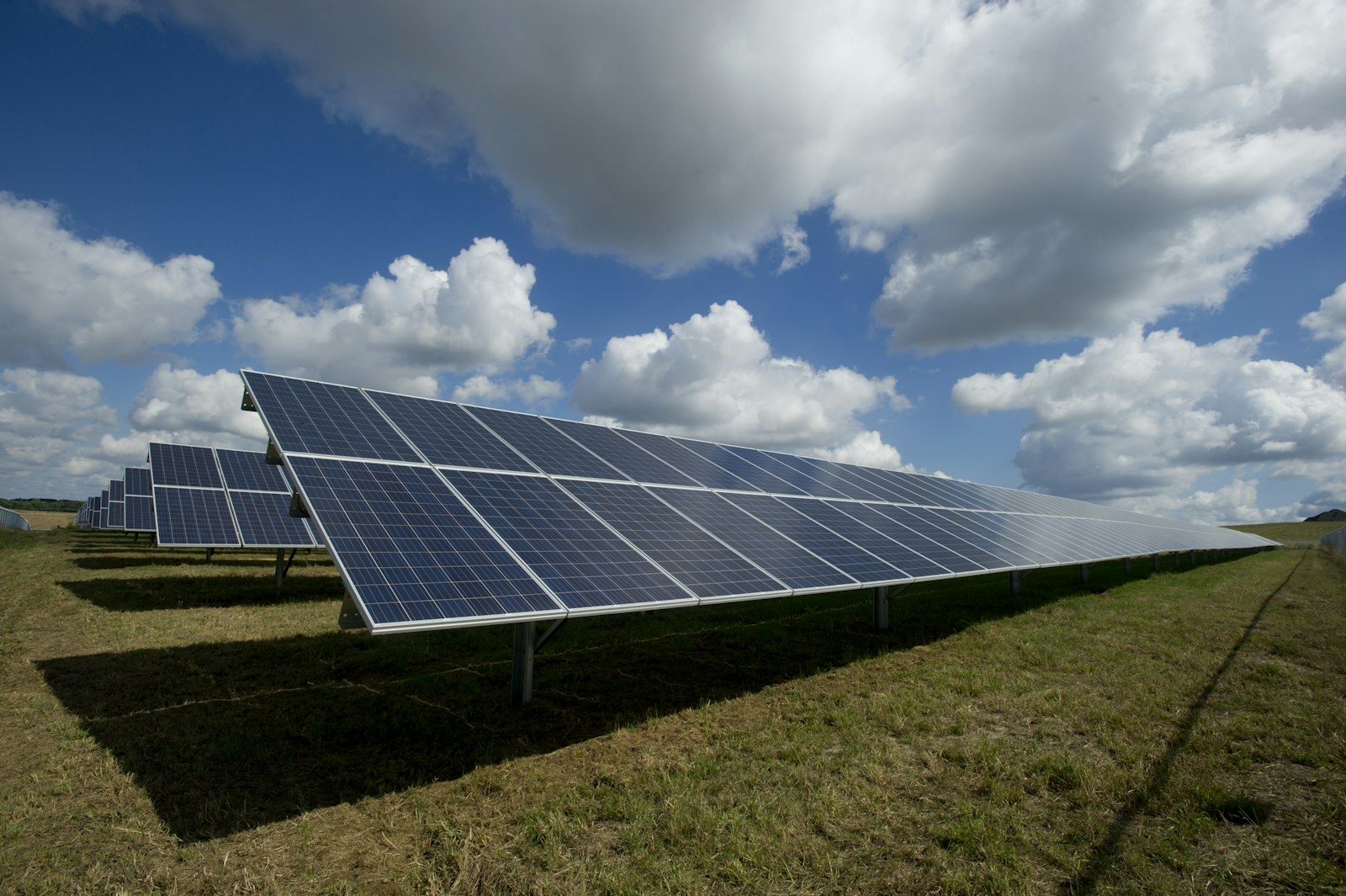
(Rack-Mounted PV)Conventional solar panels mounted on your existing roof. Proven technology with decades of track record. Can be added to most roof types in good condition.
Best For
- Existing roofs in good condition
- Lower upfront cost
- Faster installation (1-3 days)
- Proven technology
Considerations
- •Visible panels on roof
- •Roof must be in good condition
- •May void some roof warranties
- •Panels need removal for roof repairs
Energy Storage
Tesla Powerwall
(Home Battery Storage)Rechargeable lithium-ion battery that stores solar energy or grid power for use during outages or peak hours. Essential for true energy independence in Florida's storm season.
Best For
- Backup power during outages
- Maximizing solar self-consumption
- Time-of-use rate optimization
- Critical load protection
Considerations
- •Adds to system cost
- •Requires wall or floor space
- •Battery capacity planning needed
- •Most value in outage-prone areas
Powerwall 3
(Latest Generation)Tesla's newest battery with integrated inverter, 11.5 kW continuous power, and simplified installation. One unit can power most homes during an outage.
Best For
- Whole-home backup capability
- High-power appliances (AC, pool pump)
- Simplified installation
- Future expandability
Considerations
- •Premium pricing
- •Newer product (less track record)
- •Works only within Tesla's app and hardware lineup
- •May need multiple for large homes
Powerwall Capabilities
What Tesla Powerwall delivers for Florida homes.
Storm Watch
Automatically charges to 100% when severe weather is forecasted, ensuring maximum backup capacity before storms hit.
Instant Backup
Transitions to battery power in milliseconds during outages, so fast you won't notice the switch.
Time-Based Control
Optimizes when to use solar, battery, or grid power based on your utility's rate schedule.
Energy Monitoring
Tesla app shows real-time production, consumption, and battery status from anywhere.
Vehicle Charging
Integrates with Tesla vehicles to charge from solar or use car battery for home backup (with compatible vehicles).
Expandable
Stack multiple Powerwalls for increased capacity. Most Florida homes use 2-4 for whole-home backup.
What Determines Your System?
Multiple factors influence the right solar and storage configuration for your home.
Energy Consumption
Your electricity usage determines system size and battery capacity.
- •Review past 12 months of bills
- •Account for future additions (EV, pool)
- •Florida AC load is significant
- •Size for actual usage, not maximum
Roof Condition & Orientation
Your roof affects solar production and installation approach.
- •South-facing ideal, east/west acceptable
- •Roof age determines panel vs. solar roof
- •Shading analysis required
- •Structural capacity for panels or tiles
Outage Frequency
How often you lose power determines battery investment.
- •Coastal areas more outage-prone
- •Hurricane season considerations
- •Critical medical equipment needs
- •Work-from-home requirements
Utility Rates & Policies
Your utility affects solar economics and system design.
- •Net metering availability
- •Time-of-use rate structures
- •Demand charges (if applicable)
- •Interconnection requirements
Tax Credits & Incentives
Federal and state incentives reduce your net cost significantly.
- •Federal incentive value applied through Midas My Incentives or Full Transfer, presented at proposal
- •Battery storage qualifies under current federal rules
- •No Florida state income tax
- •Solar exempt from Florida sales tax
Energy Goals
What you want to achieve shapes system design.
- •Offset bills vs. full independence
- •Environmental priorities
- •Backup power requirements
- •EV charging integration
Florida Requirements & Considerations
Key requirements for solar installations in Florida.
Permitting
- Electrical permit required
- Structural review for roof-mounted systems
- Utility interconnection approval
- HOA cannot prohibit solar (Florida law)
Hurricane Compliance
- Systems must meet wind load requirements
- Attachment methods specified by code
- Solar Roof rated for Florida hurricanes
- Powerwall rated for outdoor installation
Electrical Standards
- NEC rapid shutdown compliance
- Proper grounding and bonding
- Main panel capacity evaluation
- Battery installation per manufacturer specs
Utility Requirements
- Net metering application required
- Interconnection agreement
- Bidirectional meter installation
- Inspection before activation
How PrimeBid Handles Solar
Designed for your usage. Built for Florida.
We right-size your system based on actual consumption and goals, not sales quotas.
Usage Analysis
Review your electricity consumption to determine optimal system size.
Site Assessment
Evaluate roof condition, orientation, shading, and structural capacity.
System Design
Configure solar and storage based on your priorities and budget.
Permitting & Utility
Handle all permits and utility interconnection paperwork.
Installation & Activation
Tesla Certified installation with proper commissioning and monitoring setup.
Tesla Certified
Factory-trained installation team
25-Year Warranty
Solar Roof tile and power warranty
10-Year Warranty
Powerwall coverage
App Monitoring
Real-time production and usage tracking
Common Questions
Solar Roof vs. panels: which is better?
If you need a new roof anyway, Solar Roof often makes more sense, since you're paying for roofing either way and the integrated look commands a premium. If your roof is newer, traditional panels are more cost-effective. We'll analyze your specific situation.
How many Powerwalls do I need?
It depends on what you want to power during an outage and for how long. One Powerwall 3 can power most essential loads. For whole-home backup including AC, most Florida homes need 2-3 units. We'll calculate based on your critical loads.
What happens during a hurricane?
Your solar system is designed to withstand Florida hurricanes per code. During an outage, Powerwall automatically disconnects from the grid and powers your home. Solar continues charging batteries during daylight. You can run for days with proper battery capacity.
How much can I save on electricity?
Savings depend on your usage, utility rates, and system size. Most Florida solar systems offset 70-100% of electricity costs. With batteries, you can also avoid peak-rate charges. We provide a detailed analysis based on your actual bills.
What about the federal tax credit?
Federal incentive value does not depend on you claiming a credit at tax season. PrimeBid presents two incentive-realization paths at proposal, Midas My Incentives and Full Transfer, so the value is applied up front. Talk to your CPA about which path fits your situation.
Can I add batteries later?
Yes, Powerwall can be added to existing solar systems. However, it's more cost-effective to install everything together due to shared labor and electrical work. If budget is a concern, we can design the system for easy future battery addition.
Ready for energy independence?
Start with your actual usage data. We'll design a system that makes sense for your home.
Start Design Session