
Building Envelope
The invisible upgrade.
Your comfort starts with the envelope
Insulation determines how hard your HVAC works, how comfortable you feel, and what you pay monthly. Here's what matters in Florida.
Insulation Types
Different insulation materials offer different performance characteristics for Florida's climate.
Closed-Cell Spray Foam
(2-lb Foam)High-density foam sprayed in place that expands to fill cavities completely. Creates both insulation and air barrier in one application.
Best For
- Maximum energy efficiency
- Air sealing in one step
- Moisture resistance
- Premium performance
Considerations
- •Higher cost than other options
- •Requires professional installation
- •Cannot be easily modified later
- •Highest R-value per inch of the listed options
Open-Cell Spray Foam
(Half-lb Foam)Lower-density spray foam that expands significantly. Excellent air sealing at a lower cost than closed-cell.
Best For
- Good air sealing
- Sound dampening
- Budget-conscious upgrades
- Interior wall cavities
Considerations
- •Lower R-value per inch than closed-cell
- •Absorbs moisture (not for exterior)
- •Still requires professional installation
- •Good middle-ground option
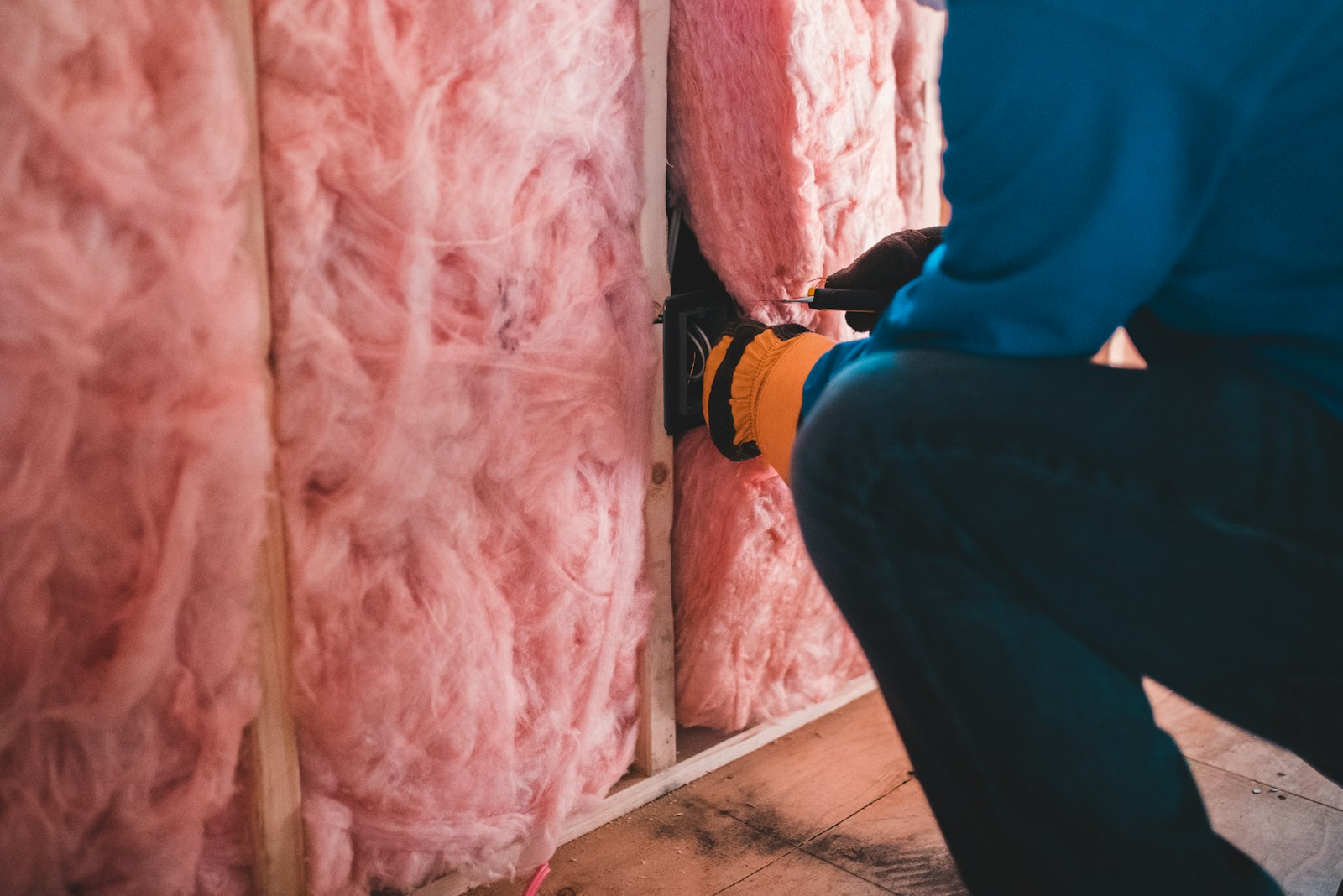
Fiberglass Batts
(Traditional Insulation)Pre-cut fiberglass blankets installed between framing members. The most common and cost-effective option.
Best For
- Standard construction
- Budget-conscious projects
- Easy future modifications
- DIY-friendly repairs
Considerations
- •Requires separate air sealing
- •Gaps reduce effectiveness
- •Careful installation critical
- •Code minimum in most cases
Blown-In Insulation
(Loose-Fill)Fiberglass or cellulose blown into attic spaces. Effective for covering large areas and filling irregular spaces.
Best For
- Attic floors
- Retrofitting existing homes
- Irregular spaces
- Cost-effective coverage
Considerations
- •Settles over time
- •Not for wall cavities
- •Requires air sealing separately
- •Good for attic supplementation
What Determines Your Insulation?
Energy calculations and code requirements drive insulation specifications.
Energy Calculations
Manual J calculations determine your home's heating and cooling loads, which affect insulation requirements.
- •Professional energy modeling required
- •Affects HVAC sizing
- •Considers windows, orientation, shade
- •Determines minimum R-values
Climate Zone
Florida spans climate zones 1-2, with specific code requirements for each.
- •Zone 1: South Florida
- •Zone 2: Central/North Florida
- •Different R-value minimums
- •Affects envelope design
Wall Assembly
Your wall and roof construction affects insulation options and requirements.
- •2x4 vs 2x6 wall depth
- •Roof pitch and venting
- •Conditioned vs unconditioned attic
- •Continuous insulation options
Performance Goals
Beyond code minimum, your comfort and efficiency goals matter.
- •Code minimum vs premium performance
- •Monthly energy cost targets
- •Comfort consistency throughout home
- •Net-zero aspirations
Florida Building Code
Florida Building Code Requirements
Minimum insulation requirements for Florida residential construction.
Ceiling/Attic
- Minimum R-value set by your climate zone and energy calc
- R-30 to R-38 typical for Florida ceilings
- Higher if using radiant barrier
- Continuous coverage required
Walls
- R-13 cavity or R-10 continuous minimum
- Higher values may be required by energy calcs
- Air barrier required
- Thermal bridging considerations
Air Sealing
- Maximum air leakage rate specified
- Blower door test may be required
- Sealed envelope per energy code
- All penetrations must be sealed
Verification
- Insulation inspection required
- R-value verification
- Installation quality checked
- Energy code compliance confirmed
How PrimeBid Handles Insulation
Per energy calculations. Installed right.
Insulation specs come from professional energy modeling, not guesswork. Installation is verified for quality.
Per Calcs
Insulation spec from energy modeling
Spray Foam
Closed-cell spray foam available
Air Sealed
Complete envelope sealing
Verified
Installation quality inspected
Energy Modeling
Professional Manual J calculations determine your specific insulation requirements.
Material Selection
Insulation type selected based on energy goals and budget, with spray foam available.
Professional Installation
Certified installers following manufacturer specifications exactly.
Quality Verification
Visual inspection and testing to confirm proper coverage and air sealing.
Documentation
R-values and installation details documented for warranty and resale.
Common Questions
Is spray foam worth the cost?
Spray foam typically costs 2-3x more than batts but provides air sealing and insulation in one step. For Florida's climate, the air sealing benefit often pays for itself through reduced HVAC costs and improved comfort. We can model both options to show the difference.
What R-value should I choose?
R-value requirements come from energy calculations specific to your home design. Going above code minimum improves comfort and reduces energy costs, but there's a point of diminishing returns. We'll show you the tradeoffs during the design process.
Do I need a radiant barrier?
Radiant barriers reflect heat from your roof, reducing attic temperatures. They're effective in Florida's sunny climate but aren't required. Your energy calculations will show if a radiant barrier makes sense for your specific design.
Can I upgrade insulation later?
Attic insulation can be added later relatively easily. Wall insulation is much harder to upgrade after construction. If you're considering spray foam, doing it during construction is significantly easier and less expensive than retrofitting.
Ready to seal your envelope?
Start with energy modeling. We'll specify insulation that matches your comfort goals.
Start Design SessionContact
Let’s build
together.
For prospective homeowners, vendors, and partners. Tell us a bit about your inquiry and we’ll be in touch within one business day.